Everyone can make a video now and plenty of them look good. That was never the hard part.
The hard part is knowing what it has to do. Who's watching, what they need to feel, and what you want them to do about it. Get that right and video will do more for a business than almost anything else you spend money on. Get it wrong and you've got a nice-looking file sitting on a server.
So we start at the end and work our way back.
Nobody makes a video for the sake of it. You want a sale, or an investor, or a bit of trust you haven't got yet, or people knowing your name who currently don't.
The answer's often not what you'd expect. Selling a product? The instinct is to show the product. But nobody buys a product, they buy what it'll do for them and once you've worked that out, the video you thought you needed usually isn't the one you end up making.
That's the strategy. Everything else comes off the back of it.
This is the part that decides whether any of it works. People buy on feeling and then go looking for the facts to justify it afterwards, which sounds cynical until you notice you do it too.
Every business has a story in it. Most owners can't see theirs because it's stopped looking remarkable to them. So you talk, we listen, and we'll tell you when we've heard it.
Then we write it and show you. You'll know if it's right not because you're a writer, but because it's yours.
Which might be one film, or a series, or a course, or a dozen short pieces doing different jobs in different places. That got decided back in step one, not here.
The rest is craft. Shot, cut, graded and mixed, and we'll spend longer on the sound than you'd think reasonable, for reasons we'll get to.
Then it goes out and does the job. Which it does, because we knew what the job was before anyone picked up a camera.
Most video companies start when you hand them a brief and stop when they hand you a file. Everything either side of that is somebody else's problem, which usually means yours.
We work the other way round. Often there isn't a brief yet, just an idea and a feeling it might be worth something. That's a perfectly good place to start. From there it might be a format and a pitch that gets it funded, or working out how the thing earns once it's out. And where it lives gets settled before it exists, not after. Broadcast, streaming, IPTV, social, or a channel you build from nothing.
We do this for ourselves, which is why we're comfortable offering it. Beyond the Headlines started as an idea. We built the format, funded it by selling segments, made six half hours and put it out through Foxtel, Sky Business and the People's Daily portal. Combined reach was over a hundred and fifty million.
None of it arrived as a brief.
This is the room where nobody has to pay attention to you. No agenda, no captive audience, nothing making anyone stay. They'll give you a few seconds and then they're gone.
Brand films, corporate, sales, commercial, documentary, web and social. Different names for the same problem, which is getting somebody who owes you nothing to care for long enough to do something about it.
Most corporate video fails at that, and not because it was badly shot. It fails because it was made for the company instead of the person watching. Everyone in the boardroom recognises themselves in it and nobody outside the building does.
So we make them the other way round. What your customer actually wants to know goes first and the company gets talked about second, which feels uncomfortable for about a week and then it starts working.
We've done this for Tourism Australia, Tennis Australia, Wine Australia and The Star, among others. Same discipline whether it's a ninety second sales film or a six part series.
Aerial, drone and whatever specialist gear a shot needs. That's a tool, not a service.
Most people are sitting on something worth money and don't think about it that way. Years of knowing how to do a thing, and the only way it currently earns is by you turning up and doing it.
An academy changes that. The knowledge goes to work without you there, in markets you'll never visit, at hours you're asleep.
We build the whole thing. Course architecture, scripting, filming, the platform it runs on, and the launch. You bring what you know. We work out how to teach it.
Then it keeps going, because an academy that works is a business rather than a project. Marketing it, driving traffic to it, watching what people finish and what they quietly abandon, and building the next courses into it. The good ones grow for years.
We built the global training system for Intraceuticals, a skincare company operating in more than fifty countries, teaching therapists and aestheticians to the same standard in every market. We've done it at the other end of the scale too, including an academy teaching school leavers how to run their own business.
If your knowledge has a market, this turns it into something that earns while you're doing something else. And if it's the right fit, we'd rather take a stake than a fee.
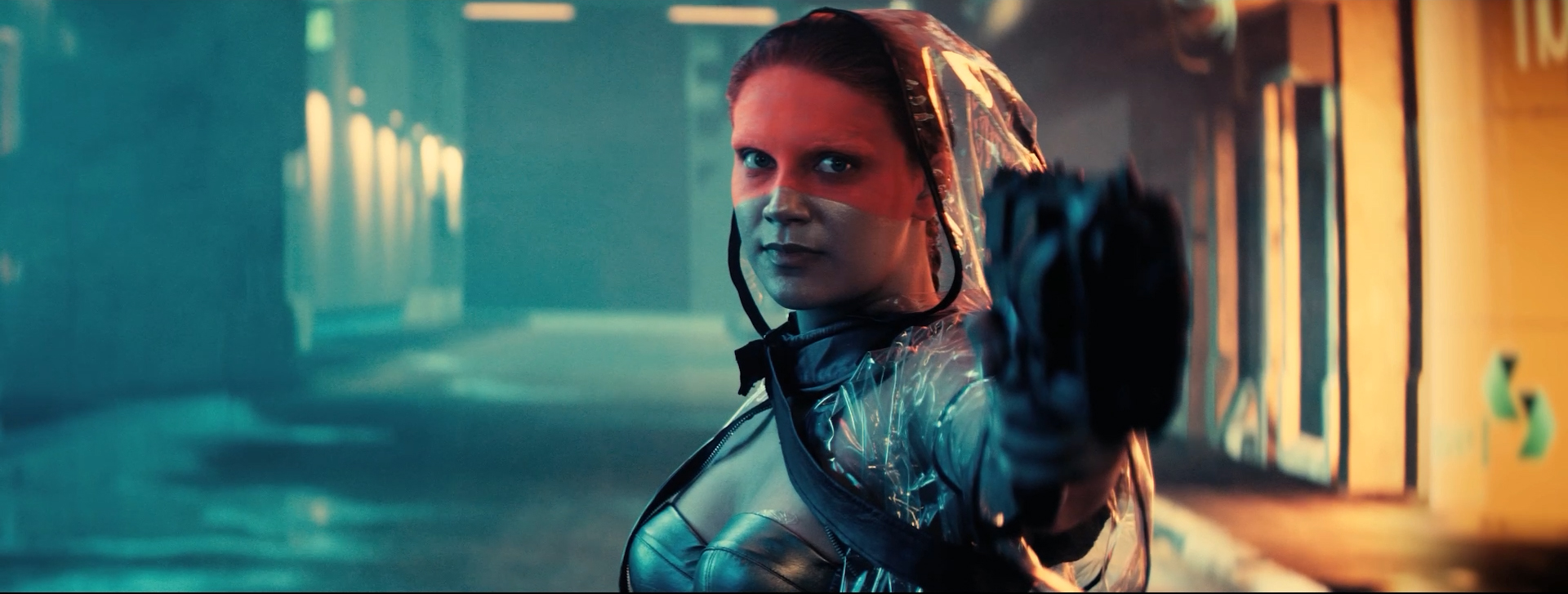
Nobody watching ever thinks about the grade, or the sound design, or the afternoon somebody spent taking a hum out of a room. If they notice any of it, something has gone wrong.
But this is where believability actually gets made. People forgive a wobbly picture. They don't forgive bad sound. Audio is the first thing that tells someone this was thrown together, and once they've decided that, nothing said afterwards lands.
Which is why we spend longer there than most people would think reasonable. Edit, grade, sound design, motion graphics, photoreal 3D and CGI, and subtitling and localisation for markets that don't speak English.
Forty years in, the thing we're most certain about is that the last ten per cent isn't decoration. A film that's nearly right and a film that's right don't perform slightly differently. One works and one doesn't.
The hardest thing to sell is something nobody can see. You're in a room asking people to fund a building, or a development, or a business that currently exists as drawings and a lot of conviction. They have to take your word for it.
They don't, if you can show them.
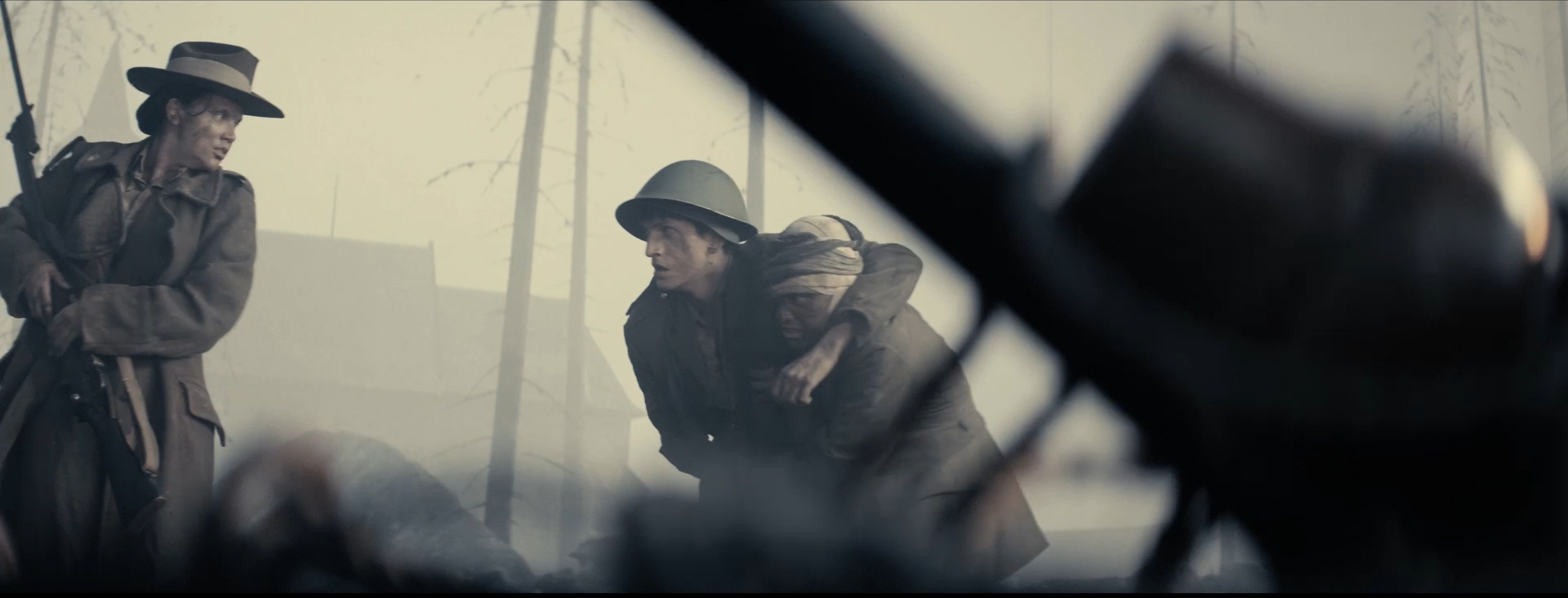
So we build things that don't exist yet. Photoreal CGI and virtual environments made from floor plans, sketches, or a conversation. Most of it built in Blender, some of it in Unreal Engine, all of it from scratch rather than assembled out of bought asset libraries. Buildings you can walk through before the ground is broken. Worlds that were never going to be built at all.
Most of what gets made for this is a flat render with nobody in it and nothing happening. That's an illustration. We make films, which means light, weather, movement, people and a point of view. Same information, entirely different effect on a room.
We've built a Gold Coast facility out of floor plans before a brick was laid, and a virtual production studio that didn't exist until we made it. We've shot films inside environments that only ever existed in a computer.