We make story driven content for brands, businesses and lifestyle projects. We build online academies for people sitting on knowledge worth selling. And we make CGI for property developers who need to show something that hasn't been built yet.
Most of it starts as somebody's idea. We take that, develop it, and stay with it until it lands on brand, reaches the people you actually need, and does the thing you wanted it to do.
Some clients hand us a job and we make it. Others sit down at the start and we work out the strategy together. Both are fine. The second one usually ends up better.
Tourism Australia, Tennis Australia, Wine Australia, and a long list after them.
It's a wide spread for one studio. It took forty years to get there.
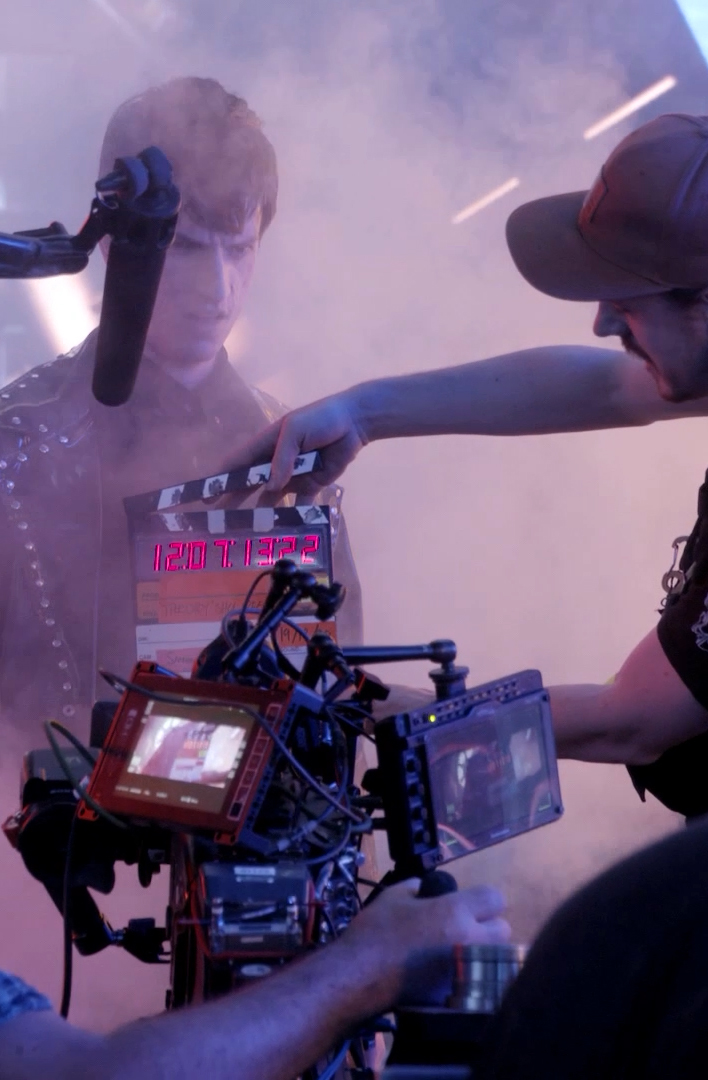
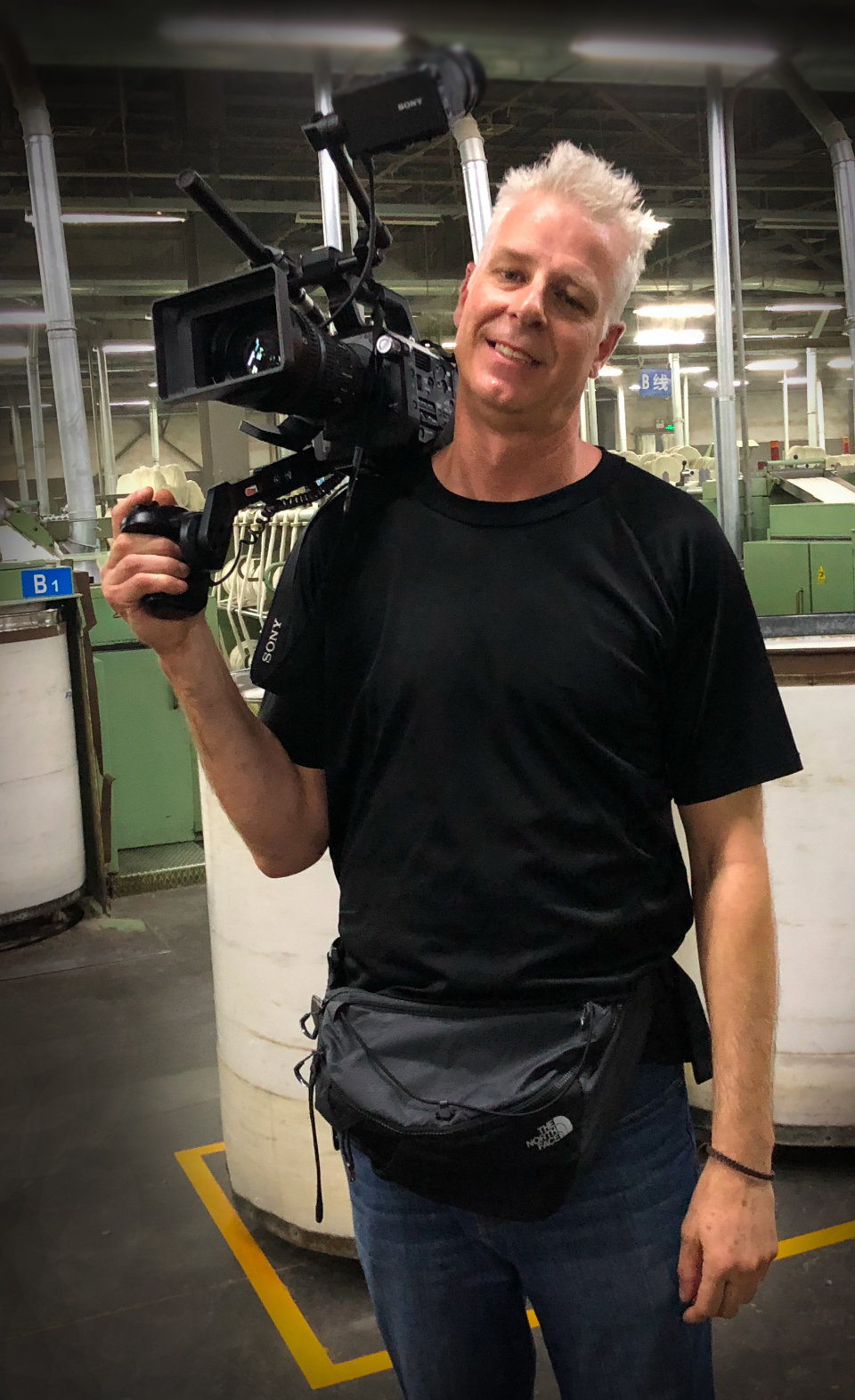
Started in post production in Melbourne, back when cutting meant physically cutting. Moved into production. Worked for most of the networks in the country. Made documentaries. Came up with a series, funded it by selling segments to companies who wanted into China, and put it to air across two countries. Built a virtual production studio during lockdown when nobody could shoot anything. Spent the last few years building online academies for people with something worth teaching.
That's where the spread on this site comes from. It isn't a list of services somebody decided to offer. It's a career that happened to cover all of it.
I started in audio. Sound production for film and television, in Melbourne. All of that came a long time before I ever cut a show or picked up a camera.
It never left me. People will forgive a wobbly picture. Bad sound they won't. It is the first thing that tells somebody a film was thrown together, and once they have decided that, nothing said afterwards lands.
Forty years on and it is still the part most people leave until last and least. We go the other way, and always have.
I moved to the Gold Coast for the work being made up here, not to slow down. We shoot across the coast, Brisbane and South East Queensland, and we have shot across regional Australia and in China, wherever the story happened to be.
If you want to know exactly how I work, that's on the next page.
If you'd rather just talk, that's usually faster.
Start a conversation